
A lot of clothing stores spend money updating inventory but ignore the front of the store for months at a time. Then they wonder why foot traffic slows down or why people walk past without looking in.
Your window display is doing more work than most retailers realize. It’s usually the first thing people judge before deciding whether the store feels worth entering.
Most Window Displays Fail for the Same Reason
They either try to show too much or they don’t show anything clearly.
Crowded windows packed with racks and signage become visual noise. On the other hand, empty displays with no clear styling don’t give people a reason to stop.
Good windows create one clear visual idea. Customers should understand the style or mood of the store within a few seconds.
Clothing Needs Shape and Movement
Garments hanging flat don’t catch attention well from outside.
People respond better when clothing has visible structure, layering, and proportion. That’s where a life like mannequin becomes useful in window merchandising. It gives outfits a more natural appearance and helps customers immediately understand how clothing is supposed to fit and move.
This matters even more for:
- fitted fashion
- layered seasonal clothing
- premium apparel
- coordinated outfit displays
The more realistic the presentation feels, the easier it is for shoppers to connect with it quickly.
Keep the Focus on the Outfit
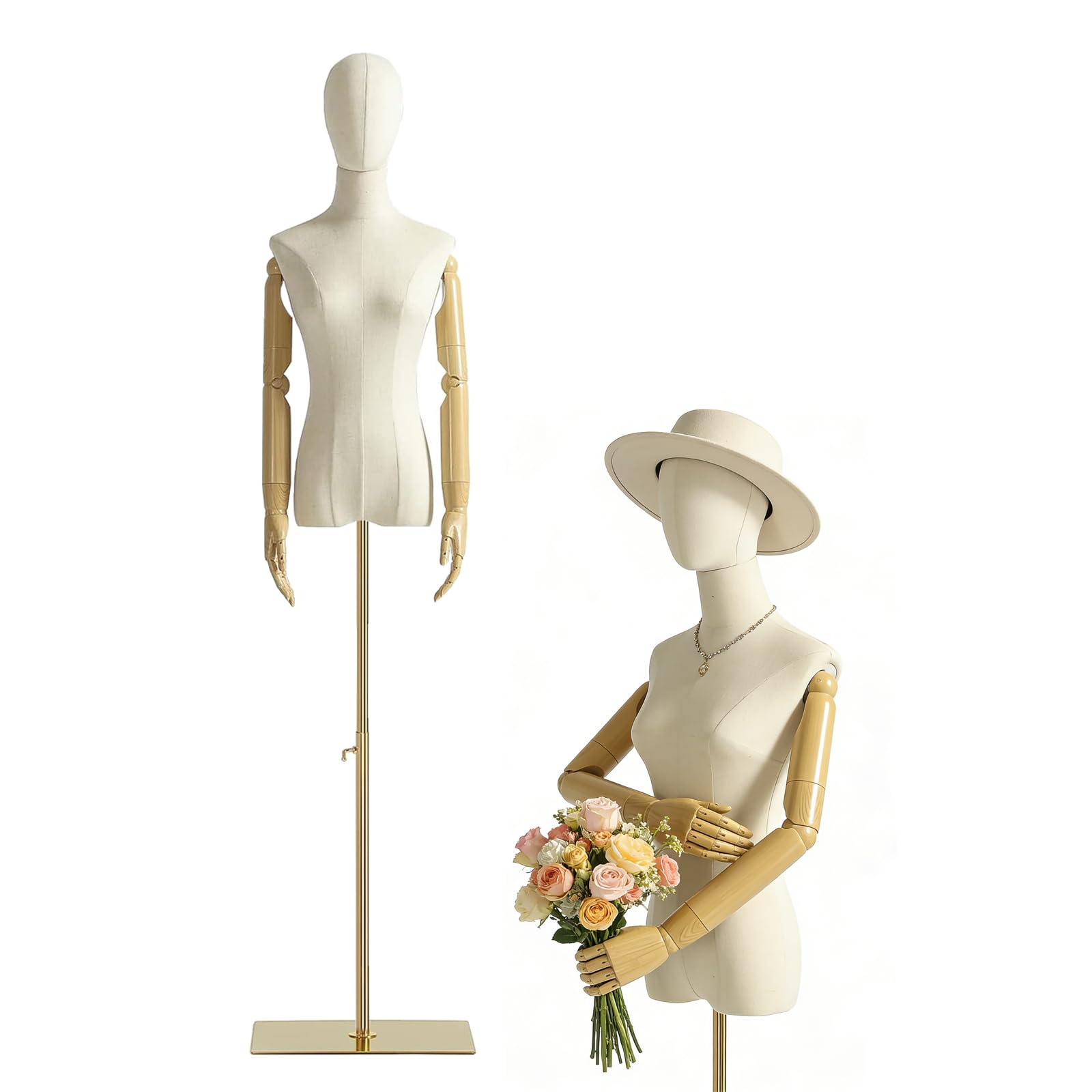
One mistake stores make is adding too many props around mannequins.
Props can work in moderation, but once they start competing with the clothing, the display loses direction. The outfit should stay as the main focal point.
Simple backgrounds and cleaner spacing usually outperform overly themed displays.
Change Displays Before They Feel Old
Store owners often wait too long to update front displays.
Regular customers stop noticing the window entirely if it never changes. Even small updates help:
- swapping outfits
- adjusting colors seasonally
- changing mannequin positions
- rotating featured items
You don’t need a full rebuild every time.
Lighting Matters at Night
A strong daytime display can disappear completely after sunset if lighting is poor.
Basic focused lighting helps:
- separate mannequins from the background
- improve visibility from outside
- make darker clothing easier to see
Without it, the display loses impact during evening traffic.
Don’t Block Visibility Into the Store
Some stores overload windows so heavily that customers can’t see inside.
That usually backfires. People are more comfortable entering when they can partially see the sales floor beyond the display. A balance between presentation and openness tends to work better.
The window should invite people in, not wall them off.
Keep Displays Easy to Maintain
Complex displays rarely stay looking clean for long.
Dust builds up, outfits shift, and props get knocked out of place. Simpler setups hold up better because staff can reset them quickly without turning it into a major project.
If maintenance becomes too difficult, the display usually gets neglected.
What This Comes Down To
Window displays don’t need to be elaborate to work well.
Clear styling, realistic presentation, and focused layouts are usually enough to stop people and pull attention toward the store. The goal isn’t to impress everyone walking past — it’s to give them a reason to step inside.
